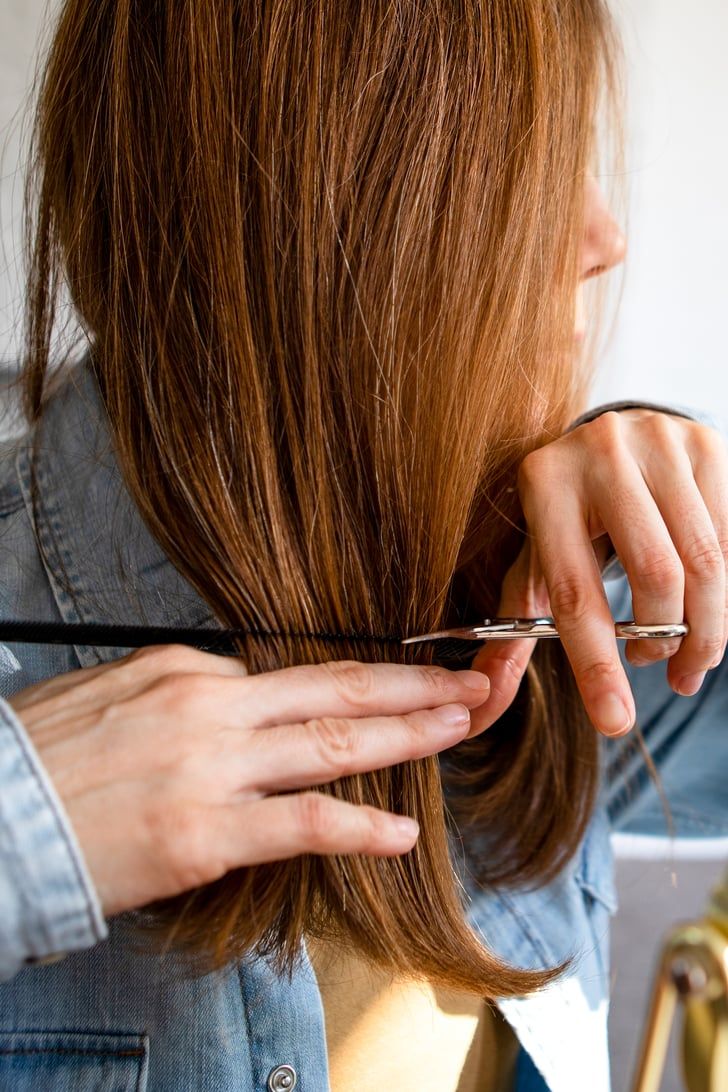
So you’ve finally decided to do it. Take the scissors into your own hands. Maybe your ends are a mess. Or maybe… you’re just brave like that. Either way, welcome to the club. Cutting your own hair might sound like a disaster waiting to happen, but with a little guidance and a steady hand, it can actually be kind of amazing.
This guide isn’t for professionals or perfectionists. It’s for real people who want real results, minus the drama.
We’ll walk you through how to cut your own hair for beginners in a way that’s easy, doable, and (dare we say) kinda fun.
Grab a mirror, some sharp scissors, and let’s do this.
How to Cut Your Own Hair for Beginners: What You’ll Need and How to Prep
Before you make the first snip, let’s get one thing straight, a successful haircut starts before the scissors even touches your strands, not after. Prepping the right way sets you up for a clean cut and fewer “uh-oh” moments. So if you’re serious about learning how to cut your own hair for beginners, don’t skip this step. Your future pro-self will thank you.
First, Gather Your Tools (No, That Rusty Kitchen Scissors Doesn’t Count)
You don’t need a full salon setup, but a few key tools make all the difference:
• Haircutting scissors: sharp and made for the job
• A fine-tooth comb: for clean sections and smoothing
• Sectioning clips: to keep hair organized and out of the way
• Spray bottle: for lightly misting if you’re cutting damp
- Two mirrors: one front-facing, one handheld or behind you, so you’re not playing guessing games with the back of your head
These tools help you work smarter, not harder and they’re pretty affordable too.
When’s the Best Time to Cut?
Freshly washed hair can be easier to manage, but damp or even second-day hair gives you more control over how it actually sits. If you’ve got waves or curls, you might want to cut it dry to follow the natural pattern.
The bottom line: choose whatever makes your hair easiest to part, detangle, and work with.
Set the Scene Like a Pro
You may not know what you’re doing find a well-lit space with a comfy chair and a surface for your tools. Drape a towel over your shoulders or wear an old T-shirt you don’t mind getting hair on. Position your mirrors, take a deep breath, and don’t hunch over the sink like you’re hiding a secret. You’re not doing brain surgery, it’s just your hair. Keep it light, and set yourself up for success.
Beginner-Friendly Haircut Methods That Actually Work
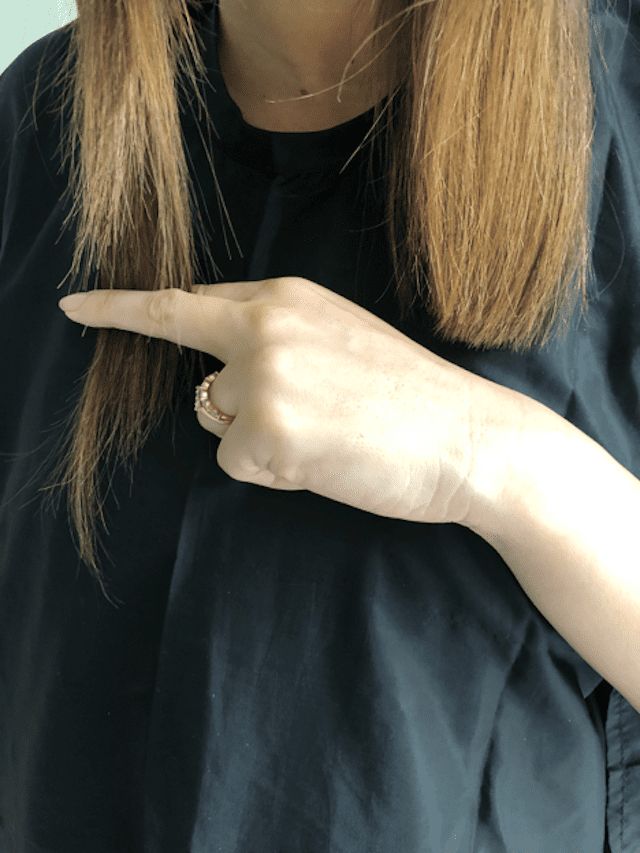
Alright, you’re prepped and ready , now it’s time to get snipping. If you’re wondering how to cut your own hair for beginners without ending up with regret and a beanie on standby, these simple methods are the holy grail. They’re easy to follow, surprisingly effective, and best of all? They actually work.
The Ponytail, Unicorn, and Two-Ponytail Method
These viral favorites became popular for a reason they’re beginner-proof and give results that look like you might have stepped out of a salon.
• Ponytail Method: Gather all your hair into a high ponytail, then trim the ends straight across. Boom soft, even layers.
• Unicorn Cut: Similar to the ponytail method, but the ponytail is brought to your forehead for more dramatic layers. This one’s great for volume!
• Two-Ponytail Method: Part your hair down the middle and tie each half into low ponytails. Trim each side evenly for a safe, balanced refresh.
Bangs? Be Very, Very Gentle
If you’re feeling brave and considering trimming bangs, slow your roll. Start with dry hair and always cut longer than you think. Use the point-cutting technique (snipping vertically into the ends) to avoid that blunt, boxy look. And never cut straight across in one go, please.
Uneven? No Panic
So it’s a little crooked. Don’t panic. Comb through, section it again, and trim little by little. Uneven cuts are super common when learning how to cut your own hair for beginners. The trick is to breathe, reassess, and remember it’s not a race. And well, even if the haircut goes bad, you still have your beanie (but don’t panic!)
How to Cut Your Own Hair Without Messing It Up (Seriously)
The Best No-Fuss Valentine’s Day Hairstyles to Try
Latest Cornrow Styles to Try Right Now
How to Cut Your Own Hair for Beginners by Hair Type
Spoiler alert: not all hair is created equal and when it comes to snipping your strands, texture matters a lot. If you’re learning how to cut your own hair for beginners, this is your no-fail cheat sheet for handling your specific hair type without ending up in tears (or tangles).
Straight Hair: Tension Is Your Best Friend
Straight hair shows everything. One slightly crooked cut and boom it’s obvious. The key here is tension. Comb each section smooth and hold it taut with your fingers while trimming. Go slow and make small, clean cuts. if you want nlight layers, the two-ponytail method works wonders without getting too wild.
Wavy Hair: Keep It Light and Layered
Wavy hair walks the line between straight and curly, which means it’s pretty forgiving if you’re gentle. When learning how to cut your own hair for beginners with waves, your goal is to enhance movement, not weigh it down. Use point-cutting or a feathering technique to soften layers, and avoid harsh lines that can kill the vibe of your wave pattern.
Curly Hair: Cut It Dry, Cut It Right
Curls have a mind of their own and they shrink. A lot. That’s why you always want to cut curly hair dry and curl-by-curl. Comb each section lightly (if at all), identify the natural curl pattern, and trim just a little from the ends. If you cut wet, you risk going too short and no one wants accidental baby bangs on a twist-out.
Coily Hair: Section Like a Pro
For coily or tightly textured hair, sectioning is everything. Work in small parts, use clips to stay organized, and stretch each section gently before trimming. This helps you avoid the classic shrinkage trap where your hair looks shoulder-length wet, but ear-length dry. Cut conservatively, and shape gradually for the best results.
Big Mistakes First-Timers Always Make
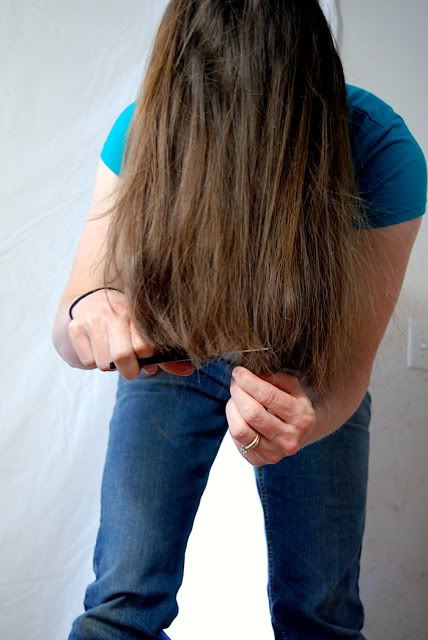
You’ve got the tools, the lighting’s good, the vibe is set and then boom. One snip too far, and you’re wondering why you ever searched how to cut your own hair for beginners in the first place. Let’s avoid that spiral, shall we?
Here are the rookie mistakes to dodge like your hairstyle depends on it (because it kinda does):
Using Dull Scissors (Or Worse — Kitchen Ones)
We know it’s tempting to grab whatever scissors are lying around, but please… don’t. Dull blades fray your ends and make your cut uneven from the jump. Kitchen scissors are bulky, imprecise, and honestly kind of disrespectful to your hair. If you’re cutting at home, at least give your hair the dignity of actual haircutting shears.
Getting Too Confident, Too Fast
You trim one layer, it looks good… and suddenly, you think you’re a master. Slow down. One of the most common mistakes when learning how to cut your own hair for beginners is over-cutting. Start small. You can always trim more but once it’s gone, it’s gone, and it might take a while to grow back.
Forgetting About the Back
Out of sight, out of mind? Not today. Just because you can’t see the back doesn’t mean everyone else won’t. Use a handheld mirror (or even your phone camera) to check your progress. Balance is key, and the back needs just as much attention as the front.
Not Checking the Length as You Go
Trimming without stopping to check your length is like texting with your eyes closed. Every few snips, pause and reassess. Look from different angles, shake your hair out, and make sure everything’s still even before continuing.
Avoid these traps and you’re already miles ahead scissors in hand, sanity intact.
17 Simple Cornrows for Black Men for a Casual Vibe
20 Cornrow Styles with Natural Hair
Top Boho Locs Hairstyles You Should Try for a Chic Look
How to Cut Your Own Hair for Beginners and Still Look Fresh
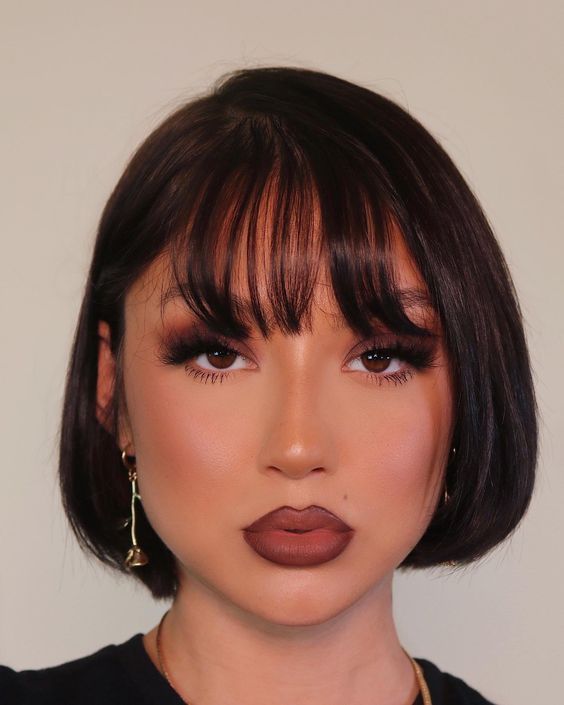
Learning how to cut your own hair for beginners is the first step styling it so it looks salon‑fresh is what really shows off your effort. Here’s how to put the finishing touches so your cut looks polished and put‑together:
Light Layers = Low Drama
After trimming, soften any harsh lines by using point‑cutting-snip vertically into the ends at a slight angle. This gives movement and a softer finish without any shock‑factor layers. Keep it subtle, fresh, and light.
Styling Tricks to Elevate Your Cut
• Blow‑dry hacks: Use a hot‑air brush to dry and add volume in one go especially handy for straight or wavy hair.
Check out the Revlon One‑Step Volumizer Hair Dryer & Styler on Amazon it’s affordable, beginner‑friendly, and gives salon‑style bounce with less frizz .
• Curl refreshers: For curls, mist with water or a light leave‑in product, then scrunch to revive definition and bounce.
Tools & Products to Finish Clean
Bring it home with some styling staples:
• Edge tamer or gel: Tame flyaways and slick down baby hairs post‑cut especially if you’re going for a smooth finish (check out Ebin New York 24‑Hour Edge Control on Amazon) .
• Mousse: Defines curls or adds control for wavy hair without heaviness like Edge Booster Extra Strength Mousse (also available on Amazon) .
• Serum: A few drops on ends adds shine and reduces frizz perfect for framing that fresh trim.
Quick Links to the Affordable Amazon Tools Mentioned:
• Revlon One‑Step Volumizer Hair Dryer & Styler – sleek blow‑out tool for in‑one drying and styling
• Ebin New York Edge Control 24‑Hour – strong hold gel for flyways and sleek edges
• Edge Booster Extra Strength Mousse – lightweight mousse for definition and hold
Warning Signs: Don’t DIY Your Hair If…
Let’s keep it real. As much as we love a good DIY moment, there are times when cutting your own hair is a hard no. If any of these apply to you, step away from the scissors:
• You’re attempting a bob, pixie, or drastic transformation these cuts are precise and very easy to mess up.
• You’ve never used haircutting scissors before and your hands are already shaky just thinking about it.
• It’s the night before a big event wedding, photoshoot, graduation? Don’t gamble with your edges.
If it’s a bold or high-stakes look you’re after, let a professional take the reins.
Learning how to cut your own hair for beginners isn’t about perfection it’s about control, confidence, and saving yourself a salon trip (and a few coins). With the right tools, a calm setup, and a little patience, you can get a fresh look from the comfort of home.
Take it slow, trust the process, and hey even if it’s not flawless, at least it’s all you.