
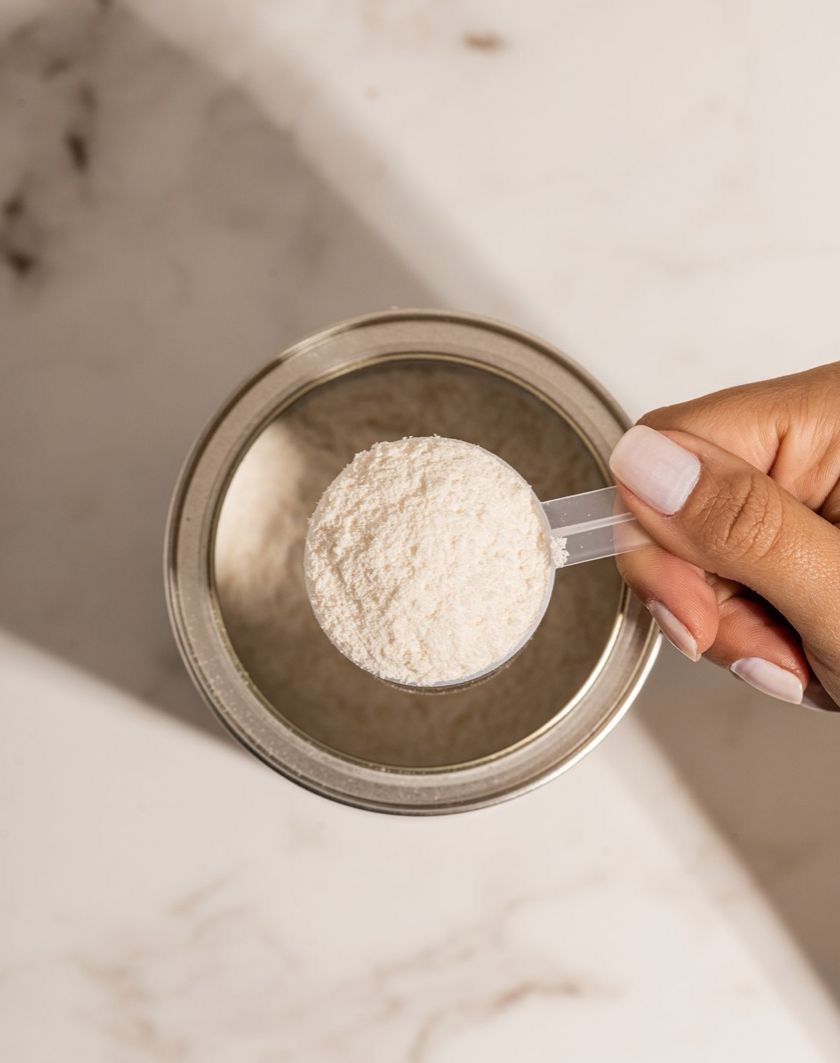
Most people don’t even know what creatine actually is. They just know it makes you “stronger” and “bigger” and “a little puffier if you’re not careful.” So you start taking it. Your workouts go crazy. You feel powerful.
Then you look in the mirror, notice your hairline is giving slightly more retreat, and you spiral. You Google creatine and hair loss. And now your whole gym routine is in crisis.
Here’s the deal: the connection between creatine and hair loss is not that simple. It’s not like you take one scoop and your follicles go on strike. But there is one old study that made everyone panic, and ever since then, the rumor just won’t die.
We are going to break it all down now. What creatine actually does, where the hair loss theory came from, and whether you really need to choose between gains and your hairline.
Let’s figure this out so you can stop staring at your shampoo bottle like it’s the villain.
Does Creatine Cause Hair Loss? Let’s Settle This
17 Cornrow Styles with Fade for Short Hair
How Often Should You Wash Your Hair If You Work Out
Where Creatine + Hair Loss Got Linked in the First Place
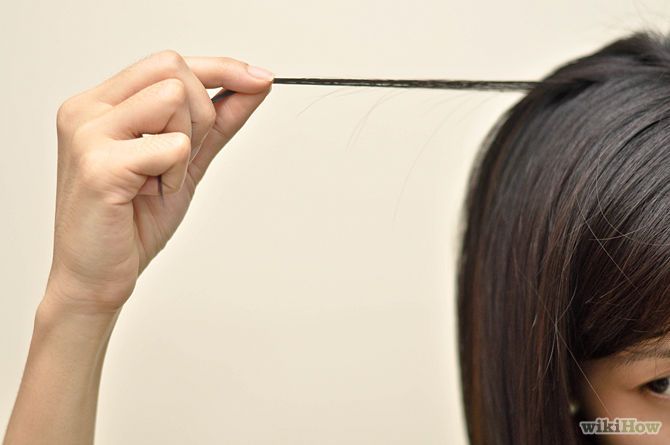
Let’s rewind to 2009 — the year one single study sent gym bros and hairlines into collective panic.
A group of South African researchers decided to see what creatine supplementation would do to hormone levels in rugby players. Over the course of three weeks, participants took creatine daily. What they found wasn’t hair falling out in clumps; it was a spike in DHT (dihydrotestosterone), a hormone derived from testosterone.
Here’s where things get juicy. DHT has a bit of a rep. It’s the hormone most commonly linked to male pattern baldness, especially in people who are genetically sensitive to it. The higher your DHT, the more likely it is to shrink hair follicles over time — which can lead to thinner strands, receding hairlines, and that slow goodbye at the temples.
But here’s what most people miss:
The 2009 study never measured actual hair loss.
Not one rugby player reported a receding hairline, thinning crown, or extra strands in the drain. It was simply a hormonal finding. A DHT increase, that’s it.
Still, when the internet caught wind of the “creatine and hair loss” connection, it snowballed. And by snowballed, we mean “ran wild with headlines scarier than leg day.” Suddenly, creatine was public enemy #1 for anyone who valued both biceps and baby hairs.
But pause. Just because DHT levels went up doesn’t mean it translated to hair loss in every (or any) case. Our bodies are complex. Hormones fluctuate. And unless you’re genetically predisposed to DHT sensitivity, your hair might not even notice.
The panic, though? Totally understandable. Hair is emotional. And when you mix gym gains with the idea of going bald at 25, it’s no wonder people start searching creatine and hair loss like their identity depends on it.
The bottom line is that the 2009 study started a conversation, but it didn’t give us a conclusion. And science hasn’t followed up much since. Yet the fear still lingers… even if the evidence doesn’t.
Creatine and Hair Loss – What the Science Says
Okay, so the 2009 rugby study stirred the pot. But what has science done since then to settle the debate?
Not much, actually. And what has been done? Doesn’t really back up the whole creatine and hair loss scare.
Most follow-up research hasn’t found any solid link between creatine and a receding hairline. In fact, several studies have examined creatine’s effects on hormones, physical performance, and muscle mass — and barely mentioned anything about DHT, let alone shedding. The few that do mention hormonal changes show small, temporary increases that don’t scream “balding imminent!”
Why? Because creatine’s job is to help your muscles — not mess with your follicles. It works by boosting the energy available to your muscles during high-intensity workouts. That’s how it improves strength, power, and recovery. But its effect on your scalp? Practically zero.
Now, let’s talk about DHT again — because that’s where all this anxiety stems from. Even if creatine does bump up your DHT levels a little, hair loss only happens if your hair follicles are genetically sensitive to that hormone. Not everyone has that sensitivity. You could have high DHT and keep a full, luscious head of hair for decades. Your gym buddy, meanwhile, could be using no supplements at all and still be halfway to shiny scalp city — all because of genetics.
So what do dermatologists have to say about all this?
Spoiler alert: they’re not panicking. Most hair specialists don’t consider creatine a serious risk factor for hair loss. If a patient comes in worried, they’ll likely ask about family history, stress, medications, or actual medical conditions — not their protein powder.
In short: science doesn’t currently support the idea that creatine causes hair loss in the average person. Sure, more research wouldn’t hurt. But for now, there’s no solid reason to connect your gym supplement to your hairbrush drama.
So breathe. You’re probably not losing hair because of creatine. It might just be… your dad’s hairline playing out in real time.
What Actually Causes Hair Loss
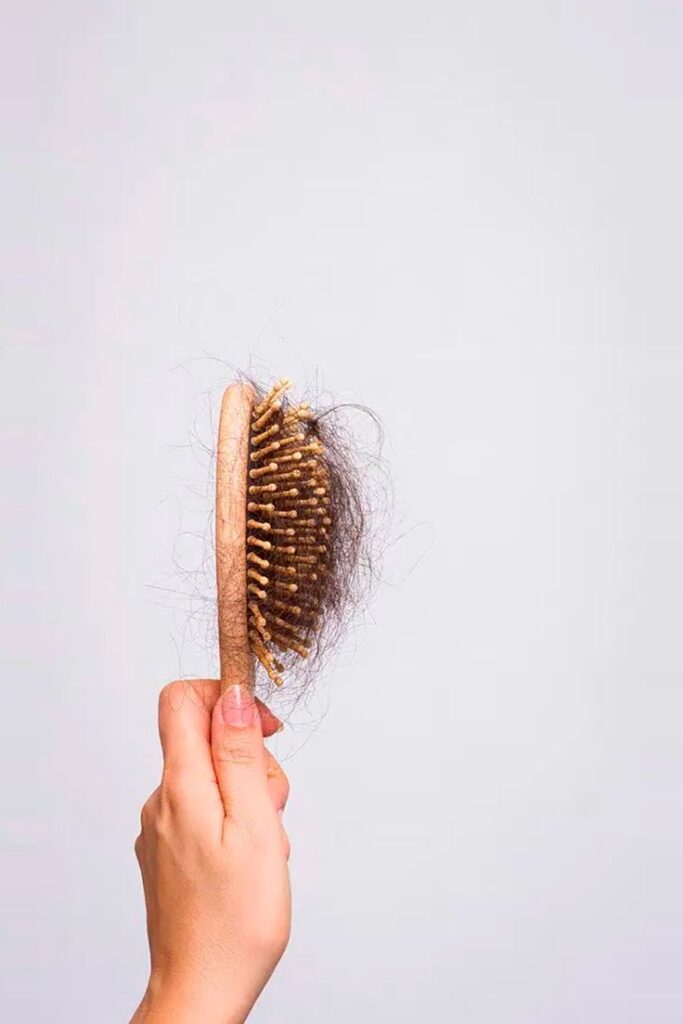
To be honest, if you’re stressing over creatine and hair loss, you might be missing the real culprits. Because when it comes to your strands calling it quits, creatine barely even makes the list.
Here’s what does make the list:
Genetics. If your dad, uncles, or older brother are doing the shiny scalp shuffle, chances are, you’re already on that path — with or without creatine.
Hormones. Especially DHT (yep, the one people keep linking to creatine and hair loss), but again, only if your body’s genetically wired to react badly to it.
Stress. The kind that makes you toss and turn at night, forget meals, or feel like your brain is buffering — it can absolutely trigger hair loss.
Crash dieting, poor sleep, and overtraining are also major offenders. Cutting too many calories or going beast mode at the gym without recovery can shock your system — and your hair might be the first thing to complain.
And let’s not forget aging. As you get older, hair naturally changes in texture, volume, and growth cycle. Sometimes what feels like sudden loss is just… biology doing its thing.
Now let’s circle back. When you look at all the scientifically backed causes of hair loss, creatine and hair loss seems more like a gym rumor than a medical fact. Is it worth looking into? Sure. Should you make it the villain of your hair journey? Probably not.
Because in most cases, creatine and hair loss only come up together when someone’s Googling in a panic. Realistically, your scalp drama might have more to do with lifestyle than what’s in your shaker bottle.
Should You Stop Taking Creatine?
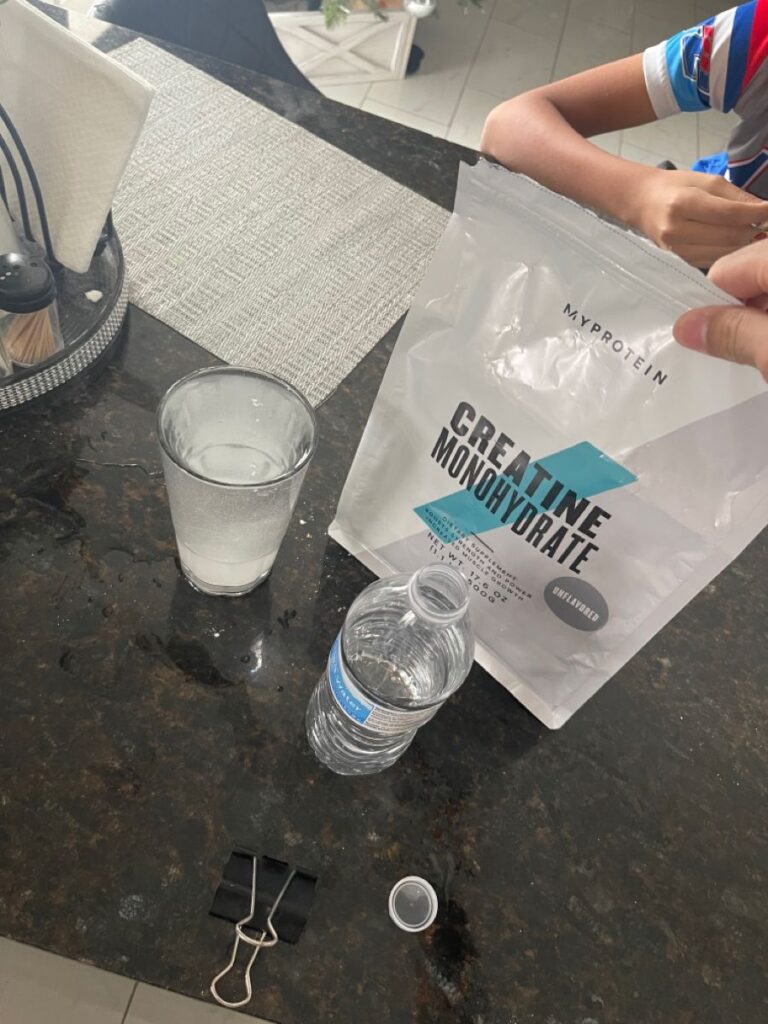
So… you’ve Googled, spiraled, checked your hairline in three different bathroom mirrors, and now you’re wondering:
Should I stop taking creatine?
Let’s walk through it calmly, no shampoo bottle side-eye this time.
First, if you’re genetically prone to balding, it’s okay to be extra cautious. Hairline anxiety is real. But that doesn’t mean you need to toss your supplements in the bin just yet. The truth is, even for people predisposed to hair loss, there’s still no clear-cut evidence that creatine and hair loss are directly connected.
That said, if your hairline really is shifting and you’re feeling unsure, consider cycling off creatine for a few weeks. See how your body responds. You could also try a lower dose — many gym-goers overdo it anyway. The “less is more” rule often applies, especially if you’re only chasing moderate performance gains.
But here’s the part you don’t see on Reddit threads:
For most people, creatine is safe, effective, and pretty uneventful in the hair department. Your body naturally makes creatine, and supplementing it simply gives your muscles more fuel for intense workouts. The benefits? Increased strength, better recovery, and performance you can actually feel. None of which involve sacrificing your hair.
So unless you’ve got a dermatologist, trichologist, or psychic telling you otherwise, there’s no real reason to fear creatine and hair loss like it’s a guaranteed trade-off.
The real strategy:
– Stay consistent with your workouts
– Drink tons of water (creatine works best when you’re hydrated)
– Keep your nutrition, sleep, and stress in check
– And stop doom-scrolling hair forums at 2 AM
In short: don’t panic, just monitor. If your hair is holding steady and your lifts are going up, keep doing what works for you.
How to Cut Your Own Hair for Beginners (Without Regret)
21 Black Male Braids Hairstyles for Work
13 Rules Every Clean Girl Lives By
Other Supplements That Could Affect Hair
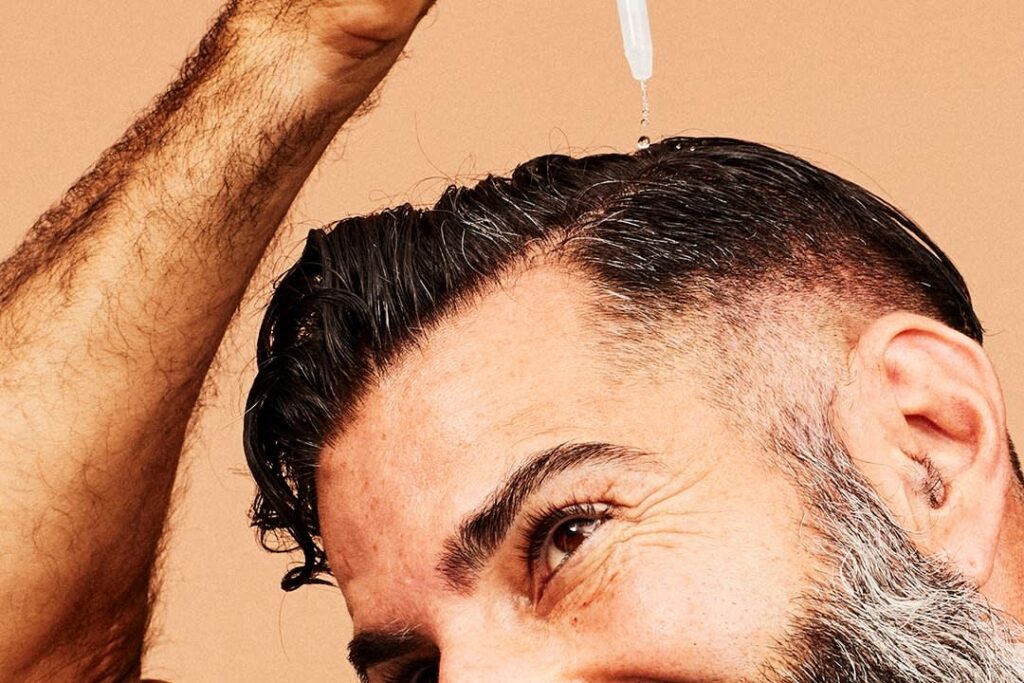
Before you swear off creatine forever, let’s zoom out a little. Because sometimes, the real cause of your hair drama isn’t even the creatine — it’s the other stuff hanging out in your supplement stack.
Take protein powders, for instance. Some are loaded with added hormones or hormone-altering ingredients. These can disrupt your natural balance, which may — in sensitive individuals — impact hair growth patterns. If your shake sounds like a science experiment on the label, it might be time to simplify. If you’re curious how hormones affect hair, check out this quick Harvard Health breakdown on nutrient links to hair loss.
Then there’s biotin — the holy grail of hair supplements. Except when you overdo it. Mega-doses of biotin can actually interfere with lab tests and throw off your body’s natural signals. More doesn’t always mean better — especially when your scalp starts feeling itchy and confused.
Oh, and don’t forget the sneaky role of deficiencies. Hair thrives on nutrients like zinc, iron, and vitamin D. If your diet (or supplement routine) is off-balance, your hair might be the first to raise a red flag, and it has nothing to do with creatine and hair loss at all.
So, is creatine the villain? Not really. When it comes to thinning hair, the bigger picture often includes hormonal changes, nutrient gaps, and other lifestyle factors. While the buzz around creatine and hair loss might get the most clicks, it’s rarely the sole cause.
Keep lifting smart, nourish your body, and take a good look at everything you’re putting in it. Your hair and your sanity will thank you.