
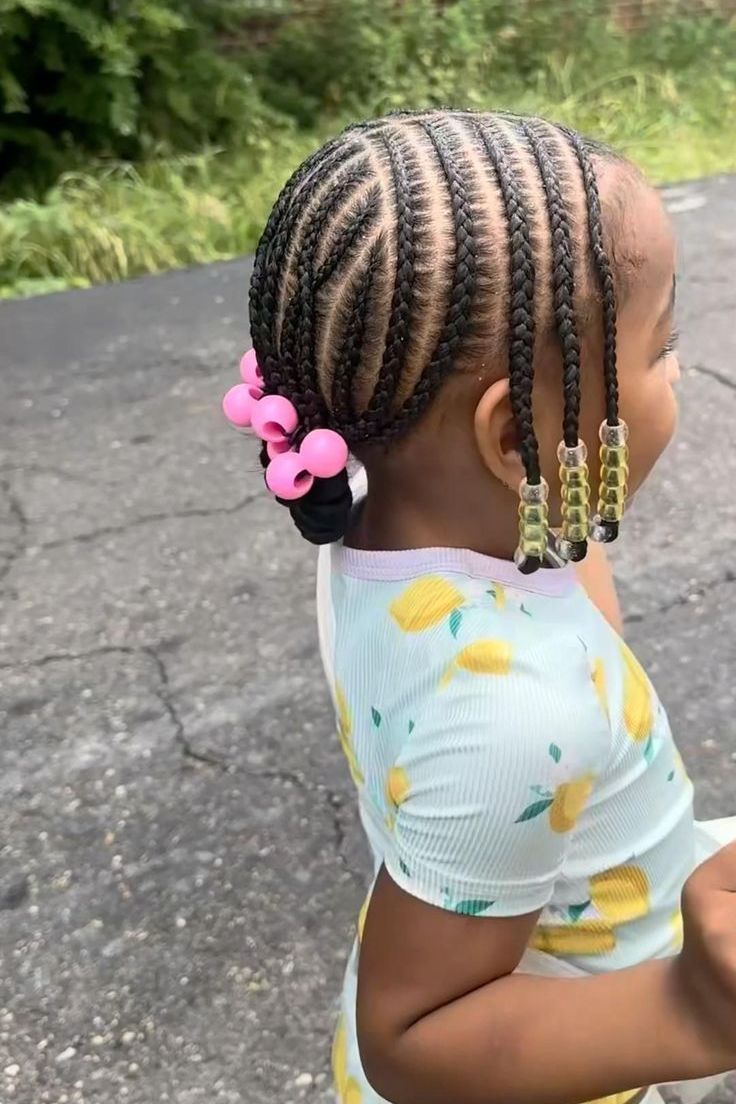
If you’ve ever tried to braid a kid’s hair, you know it’s not just about braiding — it’s about negotiation, distraction, and pure survival.
Kids don’t care about your perfect parts or your Instagram-worthy vision. They care about snacks, cartoons, and escaping your grip before you’re done. Which is why how to braid hair for kids isn’t just a skill… it’s a tactical operation.
The good news? It’s possible to braid a child’s hair without meltdowns (theirs or yours). All you need is the right setup, the right style for their hair type, and a game plan that works fast before they decide they’re “done” for the day.
In this guide, you’ll learn kid-friendly braiding techniques, tips for keeping them still, and styles that survive playground chaos. We’ll cover everything from basic pigtails to simple cornrows — plus how to make braiding time feel like bonding time instead of a hostage situation.
Let’s keep those edges neat, those braids cute, and your sanity intact.
How to Braid Your Own Hair (With Zero Help and Maximum Chaos)
Does Creatine Cause Hair Loss in Women? Social Media Verdict
Does Creatine Cause Hair Loss? Let’s Settle This
Prep Time: Setting the Stage for Zero Drama
When it comes to how to braid hair for kids, the battle is often won (or lost) before you even start weaving that first strand. Preparation isn’t just about gathering tools — it’s about creating the perfect conditions so your little one doesn’t decide to “accidentally” vanish mid-braid.
Detangling Without Tears
The first step is tackling knots without making them feel like you’re waging war on their scalp. Use a wide-tooth comb and a kid-friendly detangling spray. Start from the ends and work your way up slowly. Keep your hand close to the roots as you comb to reduce tugging. For extra smooth sailing, you can section their hair into smaller parts and detangle one at a time. The less pain, the less drama.
Distraction Tools: Shows, Toys, Snacks
You’ll need an arsenal of distractions. Think of it like a “braiding survival kit” — favorite cartoons on a tablet, a small toy to fidget with, or snacks they can munch on. Ideally, give them something that keeps their hands busy and their head relatively still. Bonus points if it’s something they don’t get all the time — novelty keeps them hooked.
Hair Products Safe for Kids’ Scalps
Children’s scalps are more sensitive than adults’, so stick to gentle, sulfate-free shampoos, lightweight leave-ins, and natural oils like coconut or jojoba. Avoid heavy gels or products with strong fragrances — they can cause irritation. The right products not only protect their hair but also make braiding easier and smoother.
How to Make Braiding Time Feel Quick
Kids have a different concept of time — in their minds, 10 minutes feels like an hour. Keep styles simple and efficient. Prep all your tools before you start, and work in small, manageable sections. If the style will take longer, give them mini “breaks” to stretch or grab a sip of juice. The key is to keep things moving so they don’t start asking, “Are we done yet?” every thirty seconds.
With the right prep, you’re not just learning how to braid hair for kids — you’re setting yourself up for a peaceful, meltdown-free experience that both of you can actually enjoy.
Simple Braids for Younger Kids
When figuring out how to braid hair for kids, the golden rule is: keep it simple. Younger kids don’t have the patience for intricate styles — and honestly, neither do you when they’re wiggling like they just drank three cups of juice. These quick, easy braids get the job done before your tiny client stages a rebellion.
Basic Three-Strand
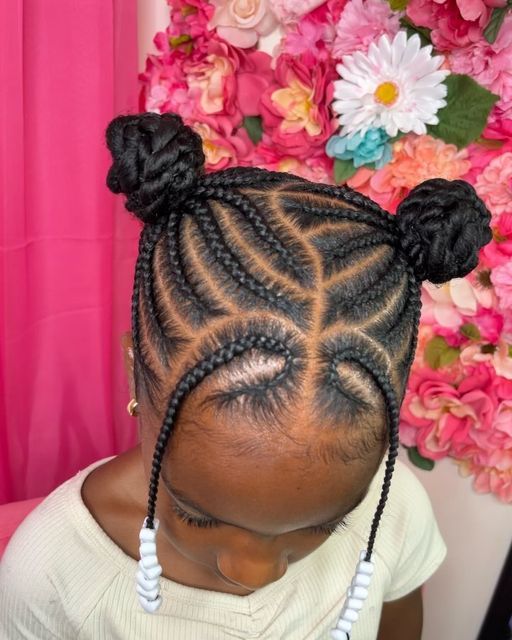
The three-strand braid is the bread-and-butter of kids’ styles. It’s quick, it’s cute, and it works for almost every hair type. Just section the hair into three equal parts, cross one over the middle, then the other, and repeat until you’re at the ends. Use a soft elastic to secure it. This braid is perfect for mornings when you have five minutes before the school run and no time for fancy.
Loose Pigtail Braids
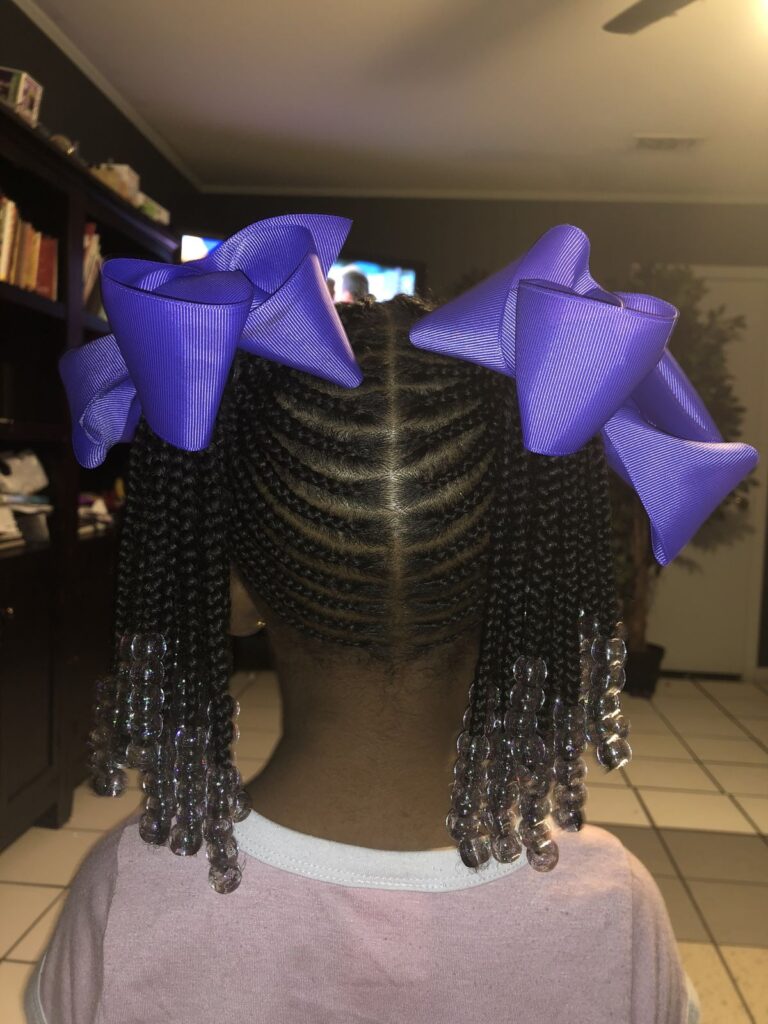
Pigtail braids are a hit with little ones because they’re playful and comfortable. Part the hair down the middle, braid each side loosely, and secure with colorful elastics or ribbons. The loose style is gentler on the scalp and less likely to cause fussing, especially if your child has a sensitive head. Plus, they’re playground-proof — they’ll still look neat even after recess.
Side Braids for Short Attention Spans
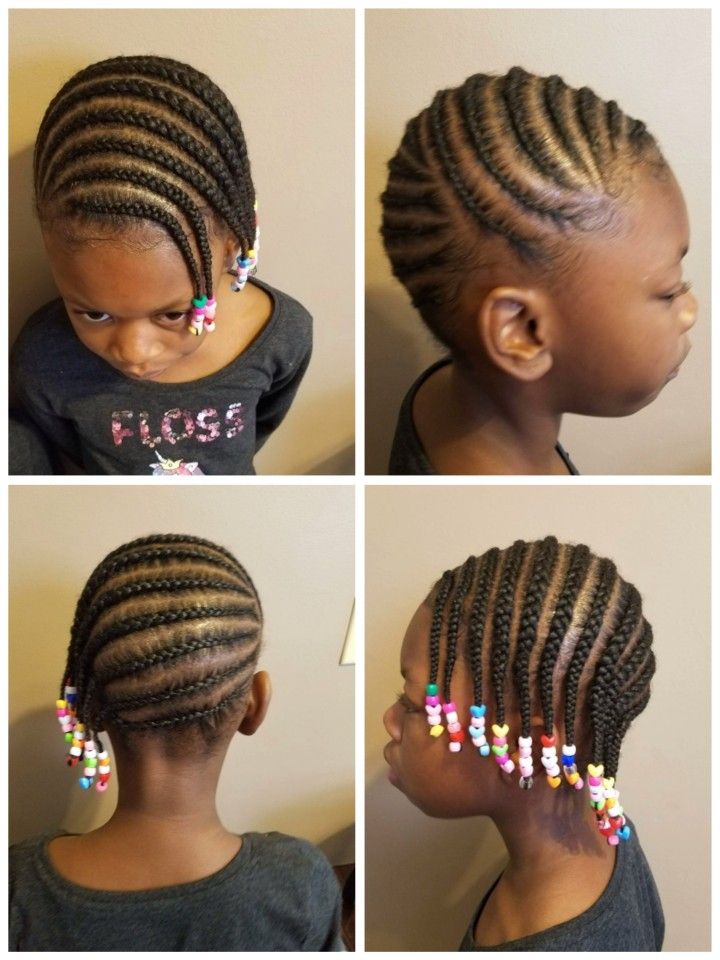
If your child treats sitting still like a personal challenge, a side braid is your best friend. Gather all the hair to one side and braid it loosely over the shoulder. This keeps the process short and sweet since you’re only working with one braid instead of two or more. It also gives them a bit of freedom to move without messing up your handiwork.
Simple, speedy braids like these make how to braid hair for kids feel less like a chore and more like a quick, cute win — for both of you.
How to Braid Hair for Kids with Different Hair Types
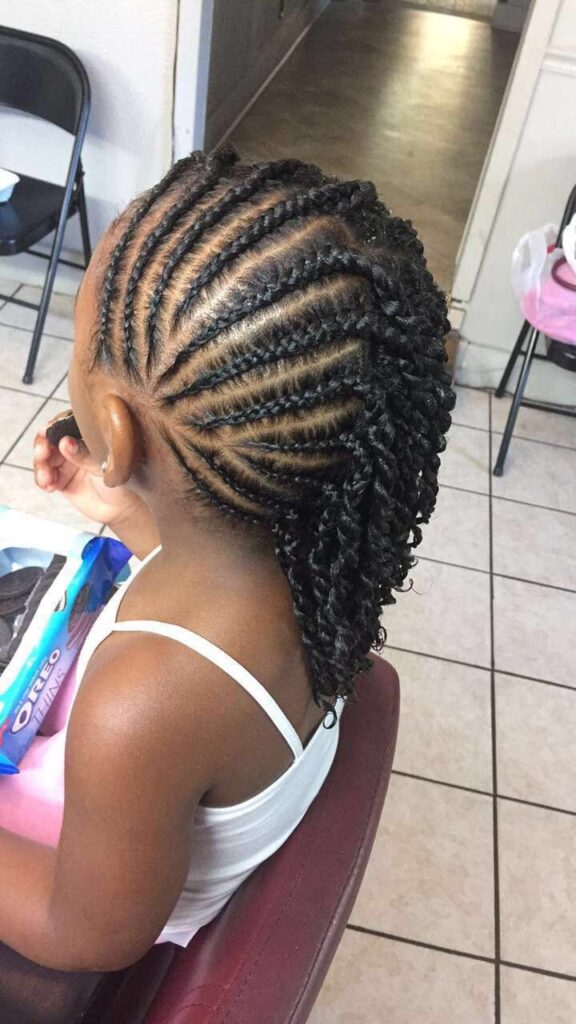
When it comes to how to braid hair for kids, one style does not fit all. Different hair textures need different approaches — and knowing the right one can save you from mid-braid meltdowns (and from having to redo your work five minutes later).
Straight or Wavy Hair: Grip Product + Damp Hair
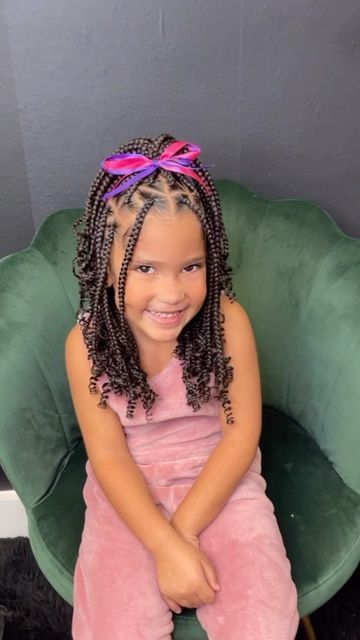
Straight and wavy hair can be silky and slippery, which means braids tend to unravel faster than a toddler’s patience. The trick? Lightly dampen the hair before you start and use a small amount of kid-friendly styling cream or mousse to add grip. This makes the strands easier to control and helps the braid stay neat. Keep your tension consistent but gentle — you want a snug braid, not a scalp massage gone wrong.
Curly Hair: Detangle Sections, Braid Damp
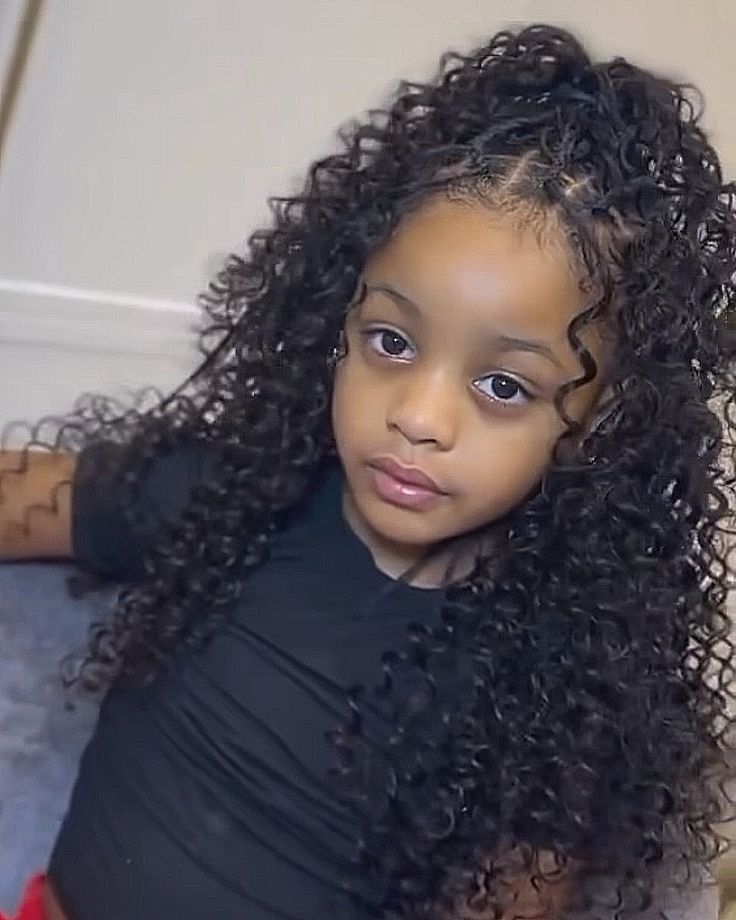
With curly hair, tangles are the enemy. Always detangle in small sections, starting from the ends and working your way up, using a wide-tooth comb or your fingers. Braiding curly hair while it’s damp (and with a bit of leave-in conditioner) helps reduce frizz and breakage. Work in sections and secure each with a clip until you’re ready to braid it — that way, you’re not chasing curls around like they’re trying to escape.
Coily or Kinky Hair: Moisturize, Section Clearly, Low Tension
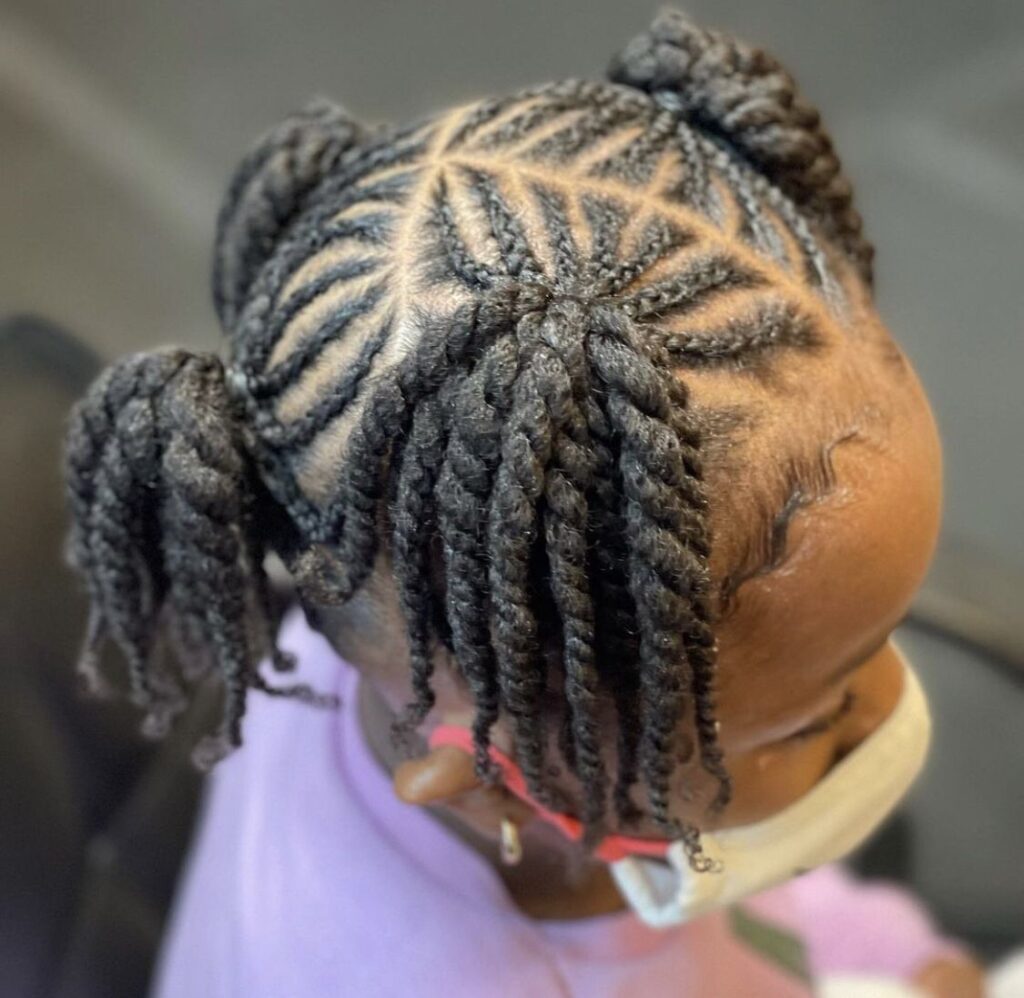
Coily or kinky hair thrives on moisture, so start with a rich leave-in conditioner or a light natural oil like coconut or jojoba. Use a rat-tail comb to part clean, even sections — sharp parts make the final style look polished. When braiding, keep your tension low to protect delicate edges and avoid unnecessary pulling. This is especially important for younger kids, as their hairlines and scalps are more sensitive. Protective styles like chunky cornrows or flat twists work beautifully here and can last longer between braiding sessions.
Mastering how to braid hair for kids across different hair types means fewer do-overs, less fuss, and a style that actually lasts — whether it’s silky straight, bouncy curls, or beautiful coils.
Protective Styles That Last All Week
If you’ve ever nailed how to braid hair for kids only for it to unravel by Wednesday, you know the struggle. Protective styles are your best bet for keeping hair neat, healthy, and playground-proof — while also giving you a break from daily styling battles.
Cornrows
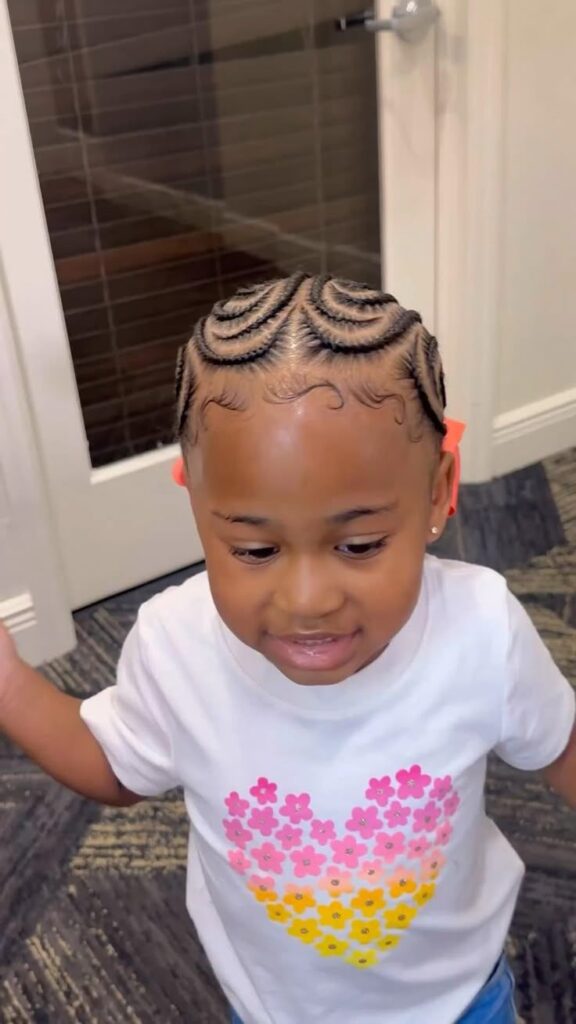
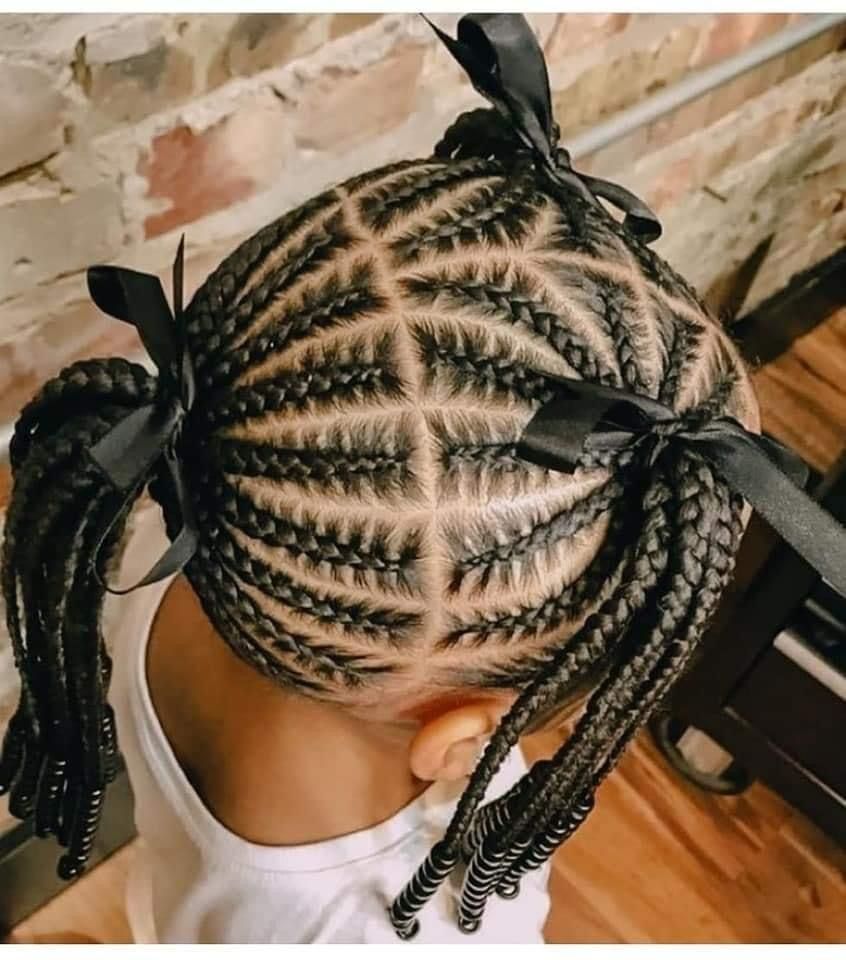
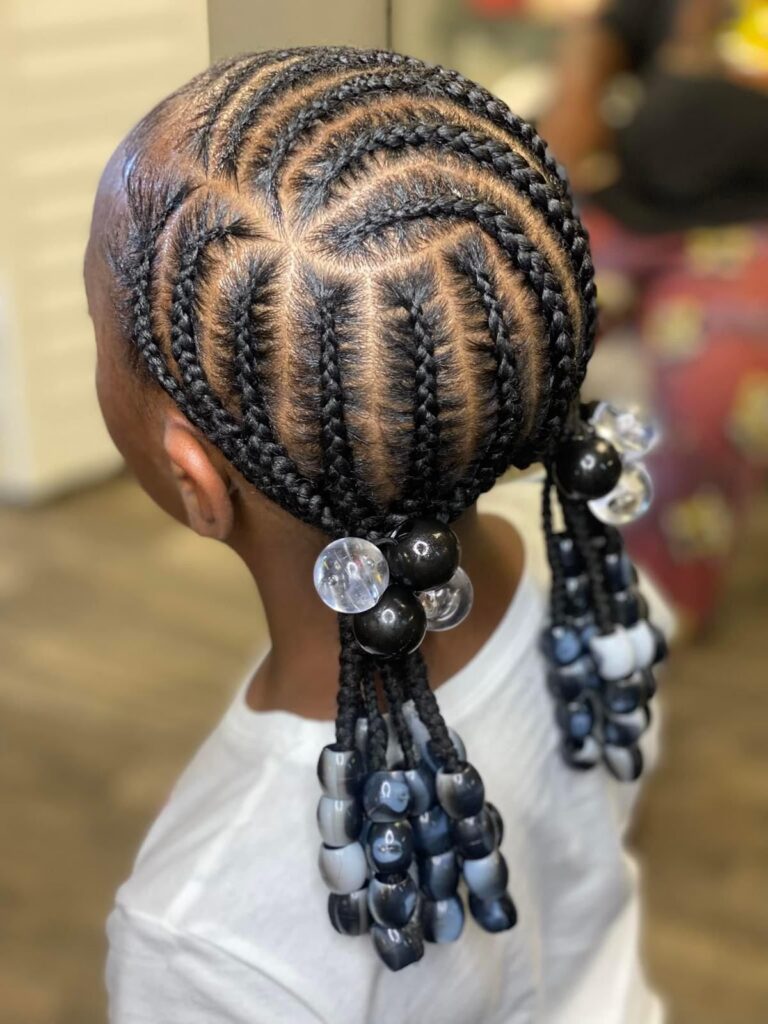
Cornrows are a classic for a reason: they’re low-maintenance, long-lasting, and versatile. Part the hair into neat, even rows and braid close to the scalp. You can keep it simple with straight-back cornrows or get creative with zig-zags and curves. For comfort, keep your grip firm but gentle — too tight and you risk scalp irritation. With proper care (like wrapping at night with a satin scarf), cornrows can last a full week or more.
Two-Strand Twists
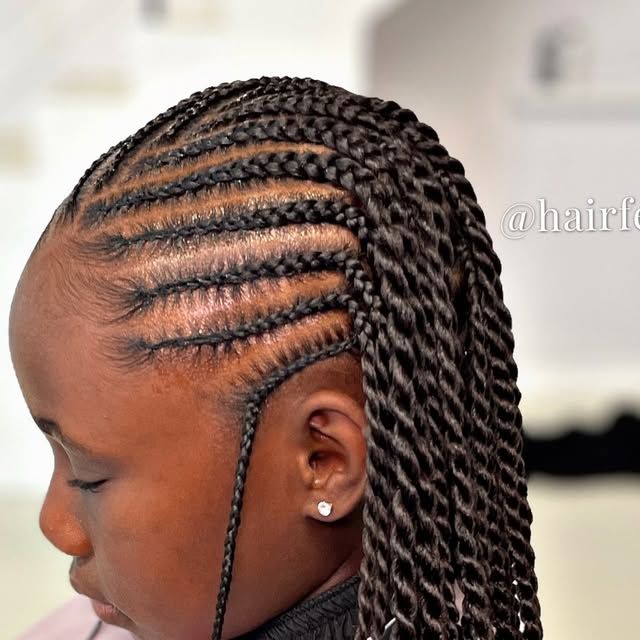
Two-strand twists are a great protective style that’s easier and quicker than cornrows. Simply divide a section of hair into two parts, twist them over each other, and secure at the ends. They work beautifully on curly, coily, or kinky hair and can be done chunky for a quick style or small for longer-lasting wear. Add a bit of leave-in conditioner before twisting to keep the hair soft and moisturized all week.
Mini Box Braids
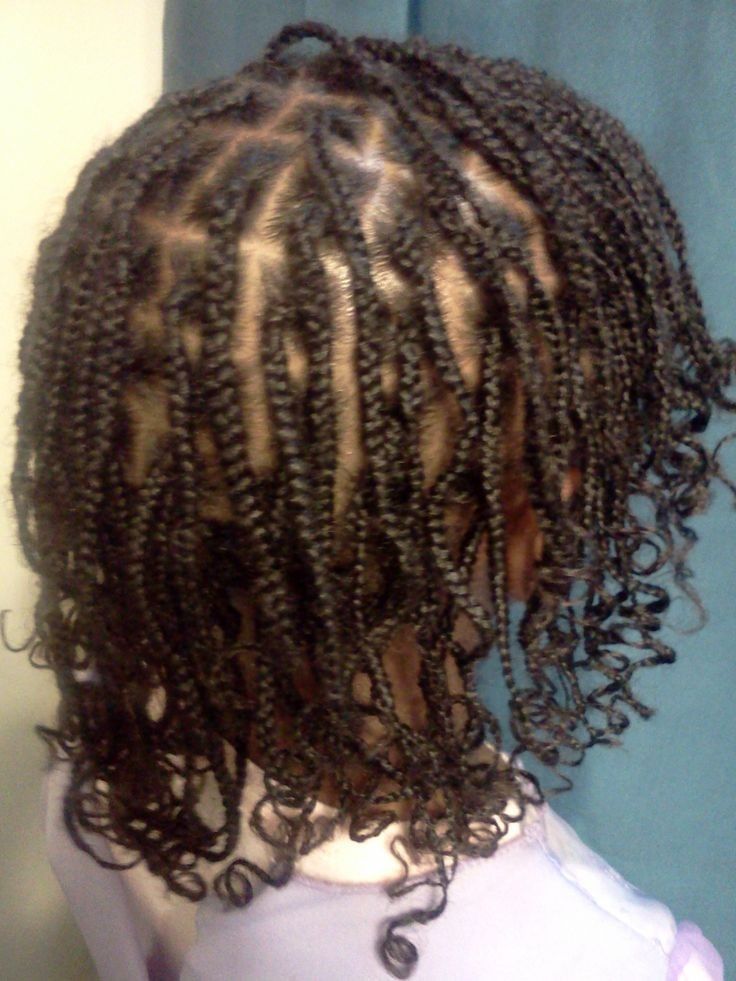
Mini box braids are like the overachievers of kid styles — they take longer to install but reward you with days (even weeks) of low-maintenance hair. Part the hair into small squares, braid each section down, and secure the ends with kid-safe elastics or beads. The size of the sections will determine how long the style lasts and how much patience you’ll need to finish. For little ones, keep the braids lightweight to avoid tension.
With the right protective style, how to braid hair for kids becomes less of a daily task and more of a once-a-week victory — giving you extra time to enjoy mornings without a hair battle.
Tips to Keep Kids’ Braids Fresh Longer
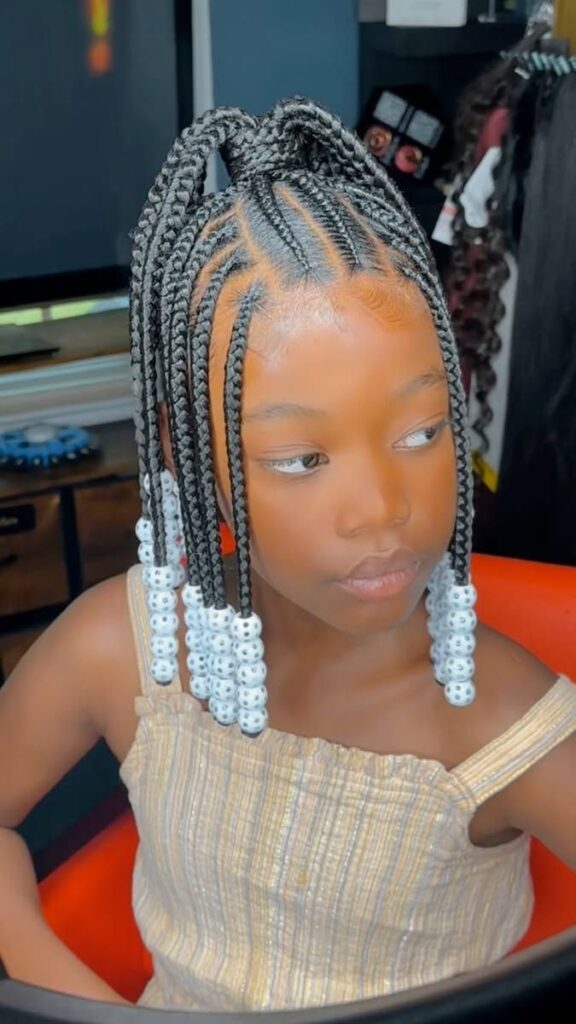
You’ve mastered how to braid hair for kids — now comes the real test: keeping those braids looking fresh all week. Between naps, school, and playground marathons, braids can go from sleek to scruffy faster than you can say “sit still.” Luckily, a few smart tricks can keep the style intact and your effort from going to waste.
Satin Pillowcases or Bonnets
Cotton pillowcases are rough on hair and can cause frizz, dryness, and unraveling. A satin pillowcase or bonnet reduces friction, helping braids stay neat and moisture-rich. For younger kids who “forget” to keep a bonnet on, a satin pillowcase is a no-fuss solution. You can grab affordable satin pillowcases here.
Daily Scalp Oil or Braid Spray
Braids protect hair, but they still need moisture to stay healthy. A light daily spritz of braid spray or a small amount of scalp oil (like jojoba or coconut) keeps hair soft and nourished. This also helps prevent itching, which can lead to scratching and frizz. Try natural, kid-safe options like African Pride Braid Spray or make your own with diluted aloe vera juice and essential oils.
Quick Fixes for Loose Braids
If you spot a braid starting to unravel, don’t panic — a quick re-braid of that section or a small elastic at the end can buy you more time. For loose edges, a dab of styling gel (kid-friendly and alcohol-free) works wonders. Keep a small “braid emergency kit” with elastics, clips, and a mini comb for on-the-go touch-ups.
When you know how to braid hair for kids and how to keep those braids fresh, you save yourself time, stress, and morning arguments. A little care each day means their style can survive school, playdates, and every snack break in between — all while keeping their hair healthy and neat.