

Laser hair removal at home sounds like the best option for most people. I mean… no awkward spa small talk. No scheduling conflicts. Just you, your couch, Netflix, and zapping away every single stubborn hair.
But how much is laser hair removal at home, really? Are we talking “cute Amazon gadget” money… or “I could’ve bought a used car” money?
Here’s the truth: at-home devices have blown up in the past few years. They promise smoother skin for a fraction of in-clinic costs. Some people swear by them. Others say they’re basically overpriced flashlights. The price tags vary wildly, from budget devices under $200 to fancy ones over $700. And here’s the kicker — they don’t always work the same way professional lasers do.
This guide breaks it all down: what you’ll actually pay, what you’ll actually get, and whether the results are worth it. Because there’s no point in saving money if your “investment” turns into nothing more than a glorified desk lamp.
Let’s see if this DIY beauty hack is worth the coins.
How Much Is Laser Hair Removal? (And Is It Worth the Coins?)
Maintain Human Hair Boho Braids Without Losing Your Mind (or Your Edges)
Lemonade Braid Styles for Natural Hair That Slay Without Extensions
How Much Is Laser Hair Removal at Home on Average?
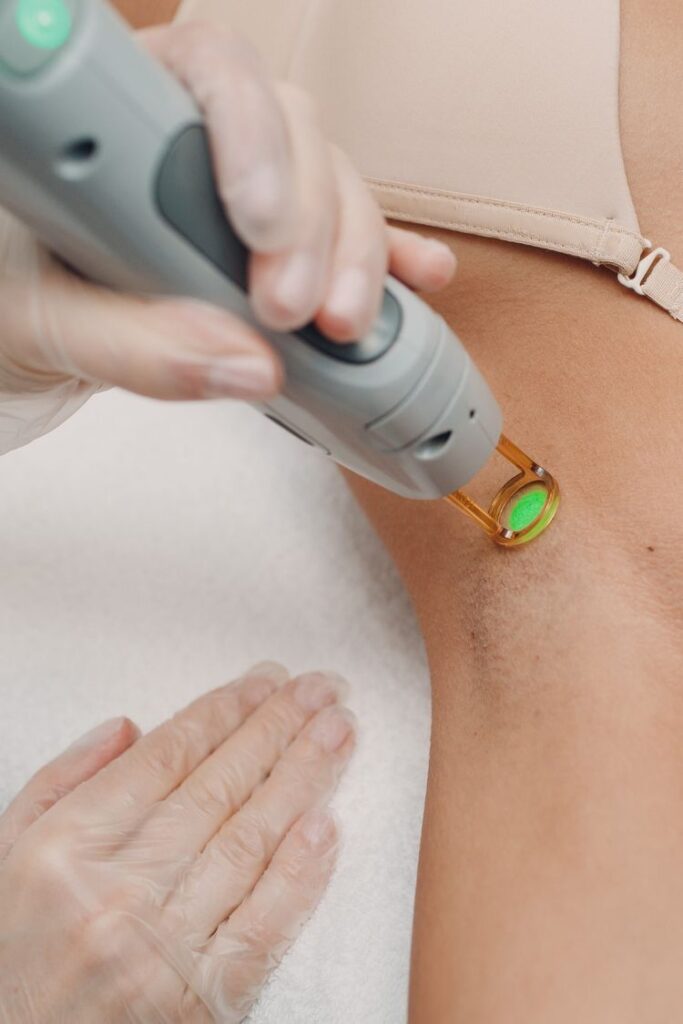
So, let’s get down to the numbers. How much is laser hair removal at home if you’re actually planning to buy one of these devices and not just scroll past them in your Amazon cart? The average price range for at-home machines sits between $200 and $700. That’s a pretty wide gap — basically the difference between buying a pair of decent sneakers and splurging on a weekend getaway.
Here’s where things get interesting: not all devices are created equal. Most of the cheaper end ($200–$350) use IPL technology — that stands for Intense Pulsed Light. IPL isn’t a true laser. It’s like the knockoff cousin that still gets the job done but might need more sessions and a lot of consistency.
IPL devices are usually designed for smaller areas, like your underarms or bikini line, and they often come with multiple flash cartridges that eventually need replacing. Translation: you’ll probably spend less upfront, but you’ll invest more time (and patience).
Now, if you slide up into the $400–$700 club, you’ll start finding diode laser devices. These are closer to the real deal — the same kind of technology you’d get in a professional clinic, just scaled down to home use. Diode lasers generally penetrate deeper, target the hair follicle more effectively, and (if your skin tone and hair color are the right match) give longer-lasting results with fewer treatments. The catch? They’re pricier, and the upfront investment can sting a little. But if you’re serious about ditching razors forever, they’re worth considering.
What you actually get at each price range basically comes down to speed, power, and reliability. Budget devices may require endless zapping sessions before you notice smoother skin. Mid-range to higher-end devices promise quicker results, better hair reduction, and in some cases, safety sensors that make sure you’re not frying your skin.
Bottom line? You don’t have to spend thousands to try laser hair removal at home — but knowing whether you’re grabbing an IPL “starter pack” or a serious diode laser makes all the difference.
Pros and Cons of Doing It Yourself

Before you click “Buy Now,” let’s have some real talk. How much is laser hair removal at home isn’t just about money — it’s about what you gain (and what you put up with) when you skip the clinic.
The Pros:
First, the obvious one: price. Even the fanciest at-home devices are still cheaper than booking a full course of professional treatments, which can easily cost over $2,000.
With a $300–$500 gadget, you’re saving serious coins. Then there’s the convenience factor. No awkward small talk with a technician, no driving across town, no trying to explain why you skipped shaving before your appointment. You set your own schedule — Netflix in the background optional.
The Cons:
Here’s the catch: at-home lasers are less powerful than the ones you’ll find in a clinic. That means results take longer to show up — we’re talking weeks to months of consistency. If you’re the type who expects overnight miracles, prepare to be disappointed. Also, these devices are not for everyone.
Most are designed to work best on lighter skin tones with darker hair, because the laser targets pigment. That means if you have very light blond, red, gray hair — or a deeper skin tone — your results may be underwhelming, or the device may not be recommended at all.
The Patience Factor:
The biggest secret no one likes to admit? Patience is everything. DIY laser hair removal isn’t a one-and-done. It’s a commitment. You’ll need to stick to a schedule, resist the urge to judge results too quickly, and keep zapping consistently. The payoff comes with time — smoother skin, fewer ingrown hairs, and the smug satisfaction of beating razor burn forever.
So yes, it’s cheaper and convenient. But it’s also a slow burn — literally.
How At-Home Costs Compare to Professional Treatments
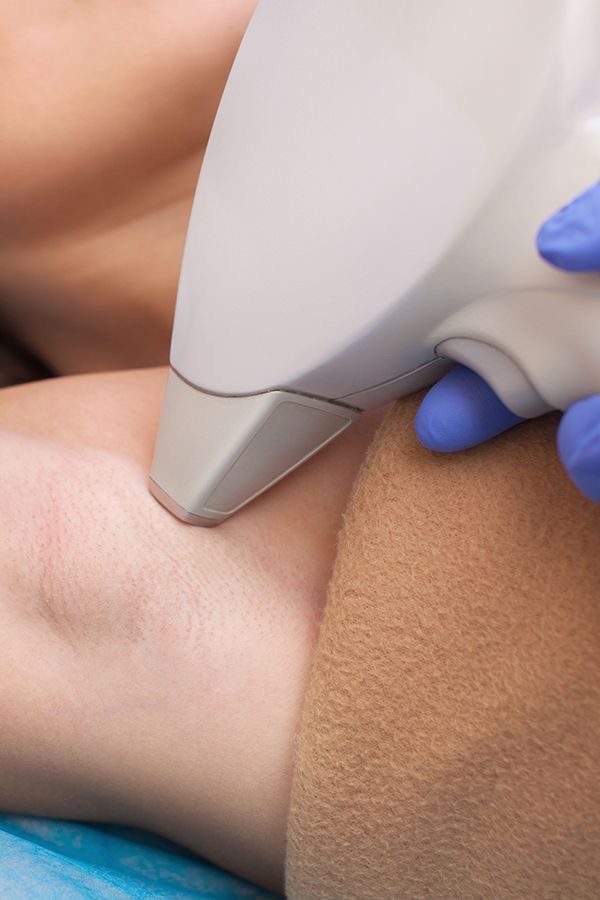
Let’s do a little math (don’t worry, no calculators required). When people ask how much is laser hair removal at home, what they’re really wondering is: does it actually save me money compared to going to a clinic? The short answer: yes — but with a few caveats.
In-Clinic Treatments:
Professional laser hair removal usually costs anywhere between $200 and $600 per session, depending on the body part. And here’s the kicker — you don’t just go once and walk out permanently smooth. Most people need 6 to 8 sessions, sometimes more. So, if you’re treating something like your legs, that adds up fast. We’re talking anywhere from $1,200 on the low end to $4,000 or more if you’re doing larger areas or multiple spots. Ouch — and not just from the laser zap.
At-Home Devices:
Now let’s flip it. At-home devices come as a one-time purchase. You drop $200–$700, take it home, and zap away at your own pace. There’s no extra fee for each “session,” no hidden clinic charges, and no travel costs. Once you’ve bought it, it’s yours. The only additional expense you might run into is replacing a cartridge or upgrading to a newer device down the line — but even then, it’s not anywhere near what you’d spend on repeated professional visits.
Which Saves More Long-Term?
On paper, at-home devices are clear winners for your wallet. A single device could cover your whole body and last years, while one full set of professional sessions can wipe out a savings account.
That said, professional treatments do tend to deliver faster and more permanent results because the machines are stronger. At-home devices may need ongoing maintenance zaps, meaning your savings come at the cost of extra time and effort.
So if you’re after immediate, clinic-grade results, professional treatments might still be worth the splurge. But if you’re all about stretching your coins and don’t mind a slower journey to smooth skin, DIY wins the long game every time.
Who Should (and Shouldn’t) Try At-Home Devices

So here’s the thing: when people ask how much is laser hair removal at home, the price tag is only half the story. The other half is whether you’re actually a good candidate for these devices in the first place. Because let’s be real — they’re not a one-size-fits-all solution.
Best Candidates:
At-home devices work best if you fall into the classic “ideal” category: lighter skin with darker hair. Why? Because the technology relies on targeting pigment (a.k.a. melanin) in the hair follicle.
The more contrast there is between your skin tone and your hair color, the easier it is for the light energy to find its target and slow down growth. Think pale skin with black or brown hair — you’re basically the laser’s dream client.
Not-So-Ideal Candidates:
If you’ve got very light blond, red, or gray hair, most devices won’t be able to detect enough pigment to zap effectively. On the flip side, people with very deep skin tones may run into the opposite issue: the laser might confuse skin pigment with hair pigment, raising the risk of burns, irritation, or just plain useless results.
That doesn’t mean darker-skinned users are completely out of luck — newer devices with advanced sensors are expanding the options — but the risks are higher, and results can vary.
Why a Professional Consult Matters:
Before you throw down $500 on an at-home gadget, it’s smart to check with a dermatologist or licensed technician. A quick consult can tell you whether at-home laser removal is safe and effective for your unique skin and hair combo. Consider it insurance against wasting money — or worse, damaging your skin.
Bottom line: the price tag only matters if the device actually works for you. Otherwise, it’s just an expensive desk accessory.
Are At-Home Devices Worth It?
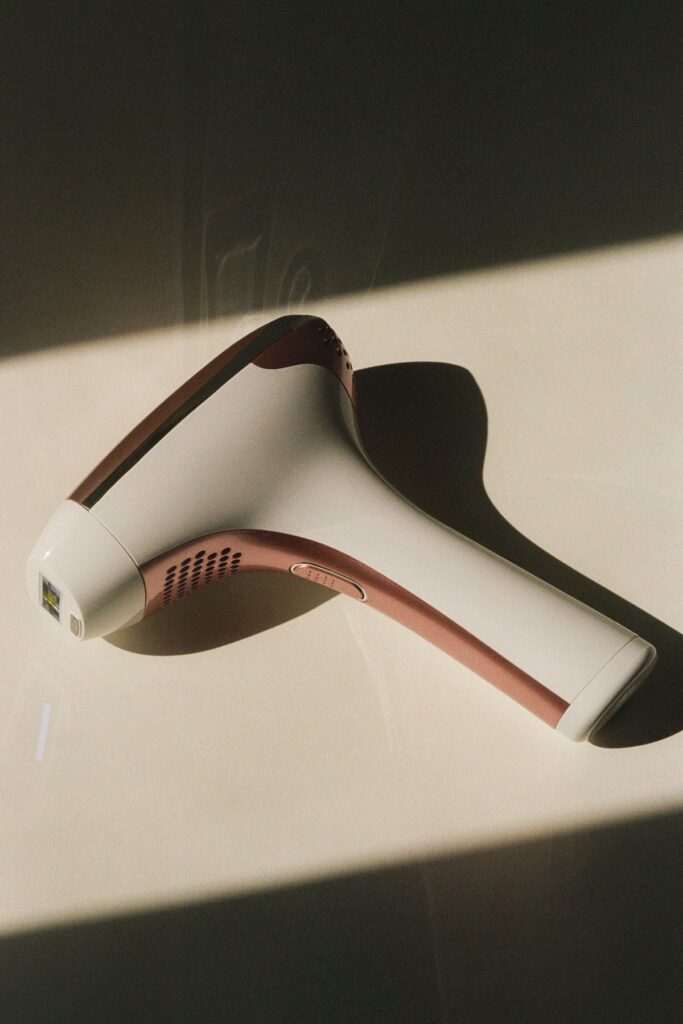
So after all this talk about how much is laser hair removal at home, the real question is: do these gadgets actually deliver, or are they just glorified flashlights with good PR?
Real Results vs. Marketing Promises:
Brands love to promise “permanent results in just a few weeks.” The reality? At-home devices can reduce hair growth significantly, but rarely as fast or as thoroughly as professional treatments. You’ll likely notice hair coming in thinner, lighter, and slower — but don’t expect to toss your razor after two zaps.
What Users Say:
Reviews from actual buyers paint a more balanced picture. On sites like Healthline and Good Housekeeping, many users report smoother skin after 8–12 consistent weeks. Some rave about no longer dealing with constant shaving. Others complain the devices feel slow, tedious, or don’t work on their hair/skin combo. In other words, results are real — but not universal.
The Final Verdict:
If you’re expecting clinic-level transformations, you’ll be disappointed. At-home devices are best seen as a tool for maintenance and upkeep.
They’re amazing if you want to reduce shaving frequency, slow down regrowth, and keep things smooth between salon visits. But if you’re aiming for full-on, permanent hair removal in just a few sessions, you’ll need professional-grade lasers (and a bigger budget).
So, are they worth it? Yes — if you go in with realistic expectations. They save money in the long term, are convenient, and work well for the right candidates.
Just don’t buy into the fantasy that one $300 device will replace $3,000 worth of clinic sessions overnight. Think of them as a helpful sidekick, not a superhero.
10 Stunning Monochrome Outfit Ideas for an Instant Wardrobe Upgrade!