
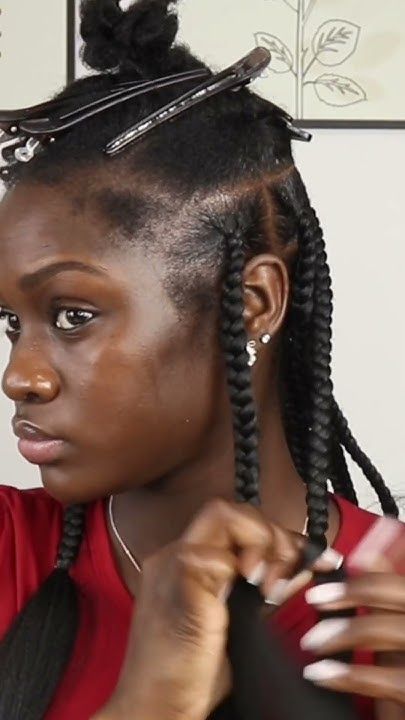
Let’s not pretend: braiding hair is one of those things that looks easy until you actually try it.
Someone hands you a comb and three sections of hair, and suddenly your fingers forget how to function. You end up tangled, sweaty, and questioning your life choices. So, naturally, you Google how to braid hair, hoping for a miracle.
Well, here it is. This guide is not for professional stylists or perfect Pinterest moms. This is for regular people who just want to braid someone’s hair, without starting a civil war between their fingers.
Whether you’re trying to braid your kid’s hair, your friend’s, or just learning for fun, we’ll walk you through everything: the basic techniques, different braid styles, and how not to give up halfway through.
You’ll learn how to hold the hair, how to keep it tight (but not too tight), and how to make it actually look like a braid and not a bird’s nest.
Let’s save your arms and your sanity — one clean part at a time.
15 Cornrow Styles with Fade for Kids That’ll Have Them Looking Extra
Does Creatine Cause Hair Loss? Let’s Settle This
17 Cornrow Styles with Fade for Short Hair
Start with the Basics: Three-Strand Braid
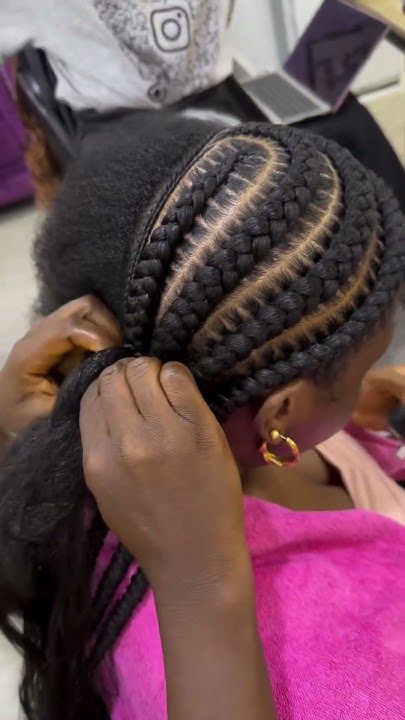
Let’s start at square one: the classic three-strand braid, the one hairstyle that’s been saving bad hair days since the dawn of time. If you’ve ever Googled how to braid hair, this is probably what you were hoping to master first. And honestly? It’s the braid version of “vanilla ice cream”, basic, dependable, and surprisingly impressive when done right.
Step 1: Section Like a Pro (Or At Least Try To)
Divide the hair into three equal parts — emphasis on equal. Uneven sections will lead to lumpy, sad-looking braids. Hold the left section in your left hand, the right in your right, and the middle one… between your thumb and finger on your dominant hand. Yes, your fingers might cramp. That’s part of the initiation.
Step 2: The Magical Under-Over Pattern
Now for the actual braiding: take the right section and cross it over the middle one — now that right piece becomes the new middle. Then take the left section and cross it over the new middle. And repeat. That’s it. That’s the braid. Right over middle, left over middle, again and again until you run out of hair or patience.
This simple pattern is the root of every advanced braid you’ll ever attempt, so once you get this, you’re halfway to hair wizardry.
Step 3: Keeping It Smooth and Together
To keep the braid from looking like it’s fighting for its life, gently pull each section snug as you go — but not too tight. Think “firm handshake,” not “cut off circulation.” Apply a little styling cream or water to minimize flyaways, and if pieces start slipping out (as they do), just smile and call it a “boho finish.”
Once you reach the end, secure it with an elastic and give yourself a proud little nod. You just learned how to braid hair — and no meltdown in sight. That’s a win.
How to Braid Hair for Kids
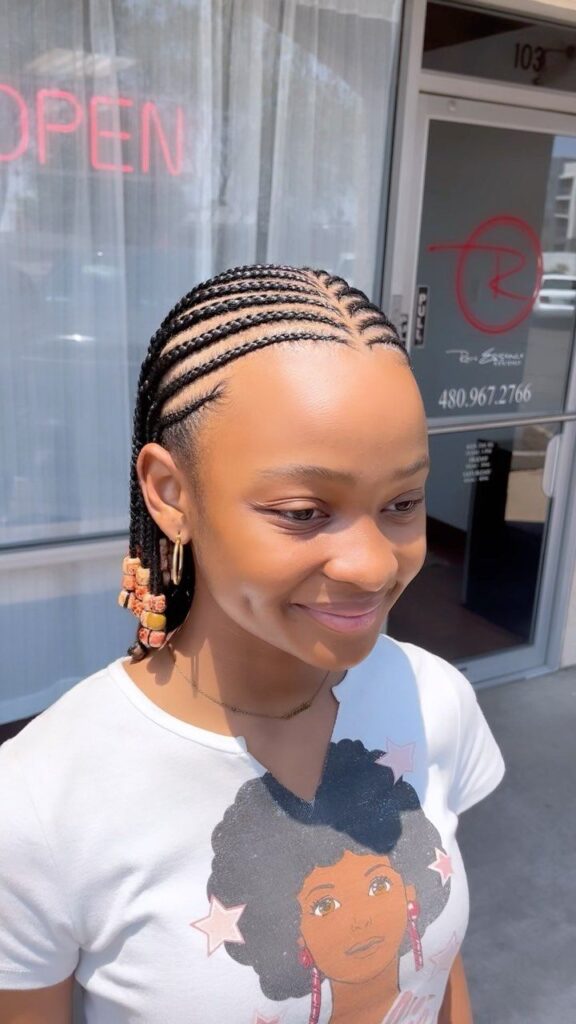
If you’ve ever attempted to braid a child’s hair, you know it’s less about how to braid hair and more about how to survive the process. Kids don’t sit still, their hair is often a battlefield, and you’re basically trying to perform fine motor surgery on a moving target. But fear not — with a little prep and a lot of patience, you can make it through.
Step 1: Prep Like a Pro
Always start with detangled, slightly damp hair. It’s easier to manage, less likely to puff up, and way more forgiving on your fingers. Spritz a little leave-in conditioner or water and gently work through tangles with a wide-tooth comb. This part sets the tone — no kid wants to sit for braiding after a war with knots.
Step 2: Gentle Tension is Key
The goal is neatness without tears. Keep your grip firm enough to hold the sections but soft enough not to cause discomfort. If the child winces or says “ouch,” loosen your hold a little — their scalp is not as tough as yours.
Step 3: Distract, Distract, Distract
This is where cartoons, snacks, or storytelling come in. Give them a handheld mirror to watch, play their favorite show, or start a fun guessing game. If they’re entertained, you’ve bought yourself precious minutes of calm.
Step 4: Easy Styles That Work
Stick to simple styles like pigtail braids, basic straight-back cornrows, or a soft crown braid for special days. These are cute, quick, and don’t require ten fingers and divine intervention.
Mastering how to braid hair for kids isn’t just a skill — it’s a full-on parenting badge. And once you get through it without anyone crying (including you), you’ve officially leveled up.
How to Braid Hair for Men
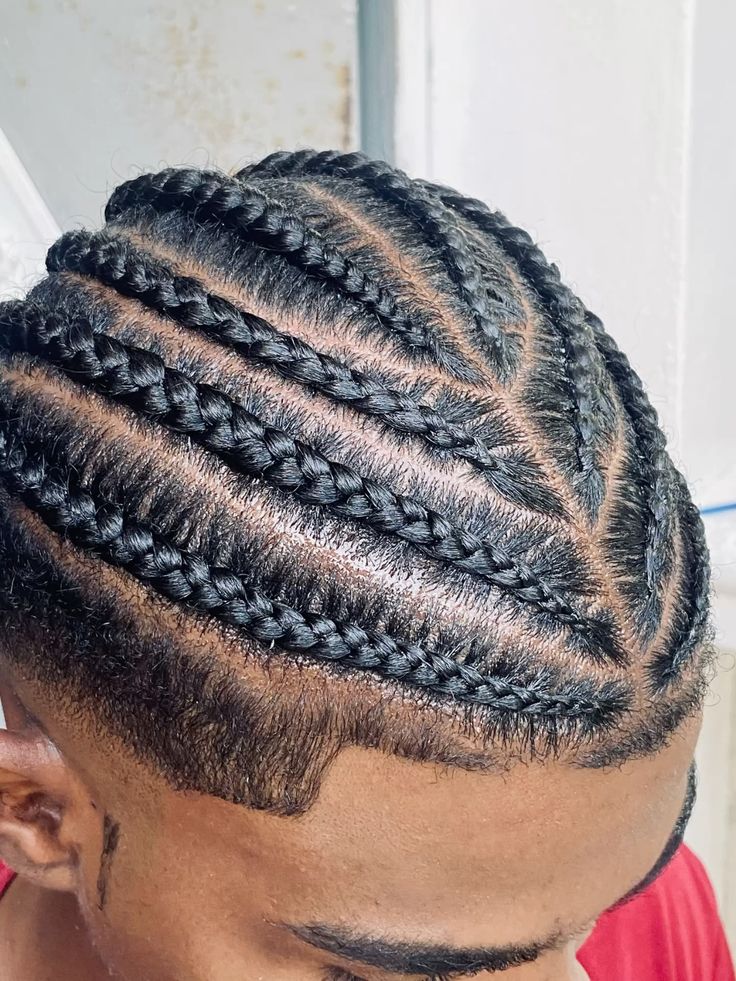
So you’re trying to figure out how to braid hair for men — maybe for yourself, your man, or your little bro who suddenly decided he wants “those cool NBA braids.” Whatever the case, men’s braiding isn’t that different from women’s — but the vibe, length, and maintenance can be.
Short Hair? Keep It Clean and Close
For short to medium hair, cornrows or straight-back braids are the go-to. These styles are sharp, low-maintenance, and perfect for anyone who wants a neat look without daily upkeep. The secret sauce? Clean, straight parts. Use a rat-tail comb and take your time — crooked parts throw the whole look off, no matter how neat the braid is.
Longer Hair? You’ve Got Options
If the hair is shoulder-length or longer, box braids, two-strand twists, and feed-in styles come into play. These allow more versatility in design and movement. Twists are especially great if you’re still getting comfortable with sectioning — just split the hair into two parts and twist them over each other. Easy to learn, easier to maintain.
Grip It So It Stays Put
Here’s something they don’t tell you enough when you search how to braid hair: frizz is the enemy of sleek. Men’s hair, especially coily or textured types, benefits from a little grip product. Use braiding gel, edge control, or even just some aloe vera gel to help the hair stay in place while you braid. It’ll help the style last longer, too.
Pro Tip: Don’t Rush the Process
Guys may want to sit down and be done in 15 minutes, but trust — if you want it to look clean and last, it takes time. Put on music, give them a mirror so they can admire your progress, and treat it like a grooming ritual, not a chore.
Learning how to braid hair for men isn’t just about getting from A to B. It’s about style, confidence, and a little patience in between.
Common Braiding Mistakes and How to Avoid Them
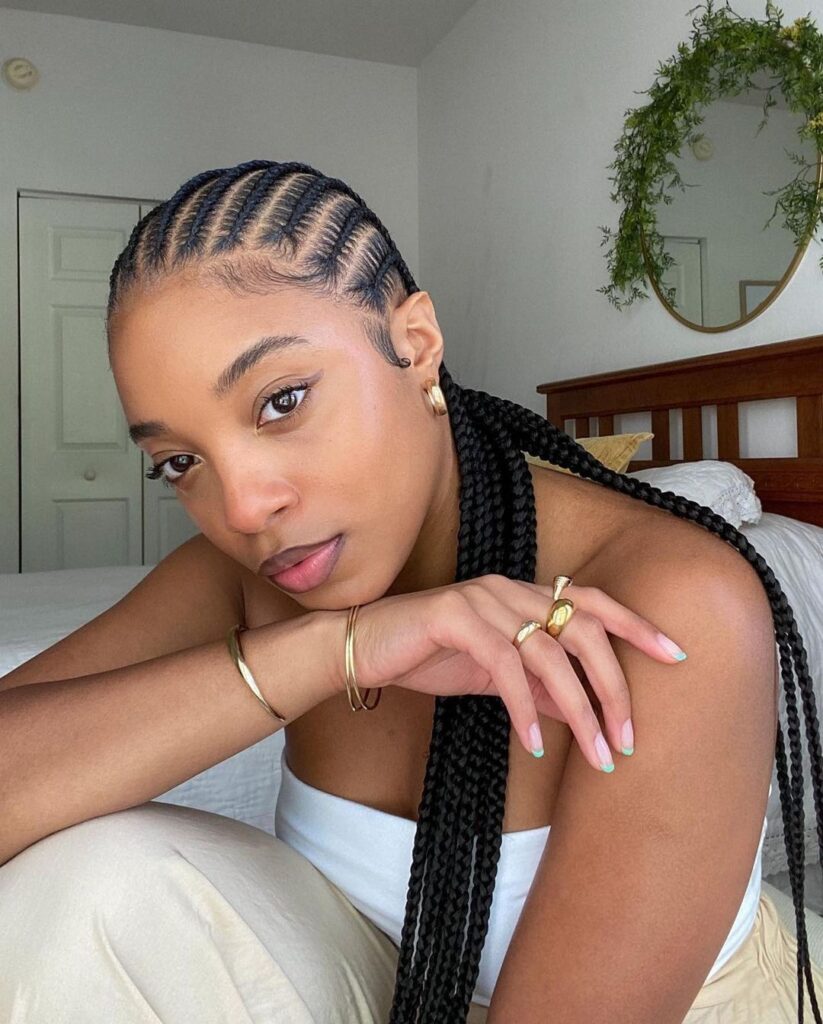
You’ve Googled how to braid hair, watched a few tutorials, maybe even practiced on a pillow — but somehow, your braid still looks like it’s been through something. Don’t worry, it’s not just you. A lot of braiding mishaps come down to common mistakes that are totally fixable once you know what to watch out for.
Mistake 1: Over-Combing the Hair
Yes, detangling is important. But over-combing — especially with small-toothed combs — can cause breakage, especially on natural or textured hair. Use a wide-tooth comb or detangling brush, and work from the ends upward to avoid unnecessary stress on the hair strands.
Mistake 2: Braiding Too Tight
We get it — you want that braid to last. But pulling too tight can cause painful tension bumps, hair thinning, and even traction alopecia. The braid should feel secure, not like a facelift.
Mistake 3: Uneven or Lopsided Sections
Eyeballing sections and hoping for the best? That’s how you end up with uneven braids that zigzag like they’re dodging traffic. Take your time parting the hair cleanly and making sure each section is equal in size.
Mistake 4: Skipping Product
Braiding on dry, frizzy hair is a recipe for flyaways and an unraveling mess. Always prep with a bit of styling cream, gel, or leave-in conditioner to smooth things out and give the hair some hold.
Avoid these common mistakes, and your “how to braid hair” journey will feel way less chaotic — and your braids will look a whole lot cleaner.
How to Braid Hair Based on Texture
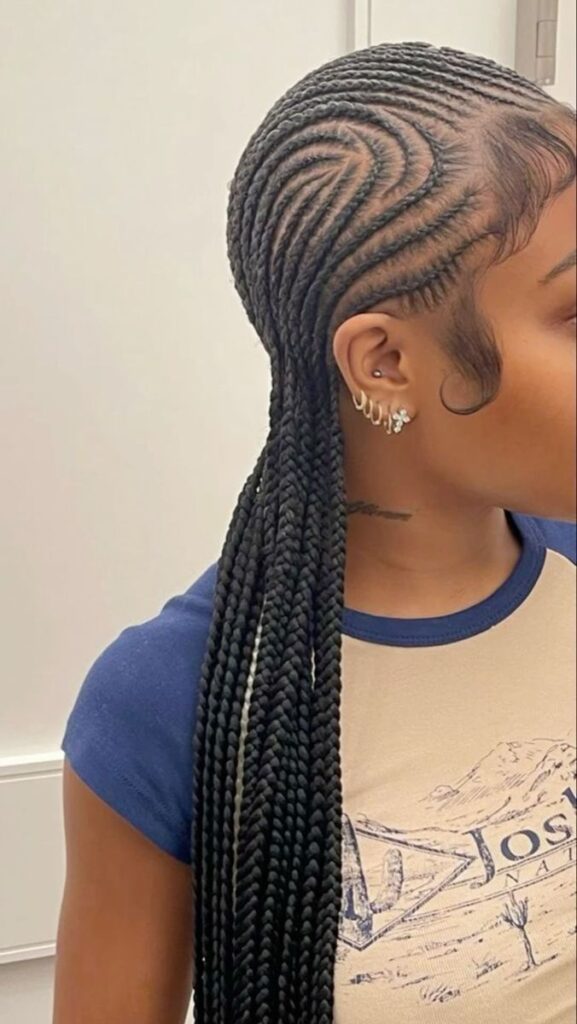
If you’ve ever tried following a how to braid hair tutorial and felt like it wasn’t built for your hair type, you’re probably right. Hair texture plays a major role in how braids turn out, and what works for one hair type can be a disaster for another. Here’s how to adapt your braiding game based on the texture you’re working with:
Straight Hair: Grip Like Your Life Depends On It
Straight hair tends to slip and unravel, so you’ll need a firm grip and a little product for hold. Use a lightweight mousse or styling cream to add texture without making the hair greasy. Keep the braid tight, and secure the ends well — or risk watching it unravel before you finish the other side.
Wavy Hair: Damp is Your Best Friend
Wavy hair has a soft pattern that makes it perfect for braids — as long as you prep first. Start by sectioning the hair to keep it manageable, then braid while it’s slightly damp. This helps define the braid and keeps the waves from puffing out as you go.
Curly or Kinky Hair: Stretch It First
Tightly coiled hair types benefit from stretching (via heatless methods or blow-drying) before braiding. This reduces tangling, helps define the braid pattern, and prevents unnecessary tension on the scalp. Part the hair in clean rows using a rat-tail comb, and work section by section to keep it neat.
Afro Hair: Handle with Care and Cream
Afro-textured hair needs moisture to stay healthy and pliable. Detangle gently with a wide-tooth comb and work in a rich styling cream or shea butter before you start braiding. This not only gives better hold but also protects the strands from breakage and dryness.
Knowing how to braid hair is one thing; knowing how to braid different hair textures is what takes your skills to the next level. When you work with the hair instead of against it, you get braids that look good, last longer, and keep the scalp happy.
Does Creatine Cause Hair Loss in Women? Social Media Verdict
How to Stop Being Lazy and Unmotivated
29 Protective Black Male Braids Hairstyles That Look Too Good